Key takeaways
In brief: Time to competency in sales onboarding measures how quickly new hires develop the skills and knowledge needed to perform their role effectively. Unlike activity-based metrics like calls made or demos booked, time to competency focuses on skill mastery — making it a stronger predictor of long-term sales success and employee retention.
What you’ll learn in this guide:
- What time to competency means and why it’s becoming the standard for evaluating sales onboarding success
- How it compares to time to quota and other output-focused measurements
- How to measure time to competency with a practical framework you can adapt to your organization
- Industry benchmarks for sales ramp time and onboarding effectiveness
- How AI speeds up competency development through coaching, conversation intelligence, and adaptive learning
- Tools and methods for tracking and improving time to competency at scale
- Common competencies to track and how to align them to your onboarding phases
Why time to competency matters now
Sales has always been a high-turnover function. But in today’s hiring environment, the consequences of ineffective onboarding have intensified. When a seller departs — whether after a few months or a few years — the effects spread across the organization. Quota goes uncovered or gets divided among teammates who are already stretched thin. Pipeline momentum slows. Morale takes a hit.
The financial toll is substantial. Estimates put the cost of replacing a single sales rep between $97,000 and $115,000 when accounting for recruiting expenses, onboarding investment, productivity loss, and revenue gaps during the ramp period.
This reality is pushing sales and enablement leaders to reconsider how they evaluate onboarding effectiveness. Conventional metrics like time to first deal or time to quota reveal when a rep generated output — but not whether they’ve built the capabilities to maintain that performance. A rep could close business through inherited accounts or a favorable territory assignment, then struggle for quarters afterward.
Time to competency in sales onboarding addresses this gap. It tracks skill development, not just results. And that distinction carries more weight than ever as companies hire reps with varied backgrounds and must cultivate capabilities internally rather than depending solely on prior experience.
As Forrester Principal Analyst Eric Zines has noted: “What sales leaders can do better to reduce attrition is to increase onboarding quality and time by focusing on trying to measure time to competency.”
What is time to competency in sales onboarding?
Time to competency in sales onboarding is a metric that tracks how long it takes a new hire to develop the skills, knowledge, and process understanding required to perform their role effectively.
Unlike conventional sales onboarding metrics that emphasize outputs (deals won, quota reached, meetings scheduled), time to competency concentrates on the underlying capabilities that produce those outputs. It addresses a fundamentally different question: Has this rep built the skills necessary to succeed repeatedly?
A working definition:
Competency refers to the skills, knowledge, or processes that sales reps need to master to meet the expectations of their role.
Time to competency tracks how quickly new hires reach that threshold.
Why does this distinction matter?
Market dynamics shift. Sales approaches evolve. Products get refreshed. But foundational sales competencies — discovery technique, objection response, written communication, active listening, negotiation, and research — hold value regardless of external conditions.
A rep who has genuinely developed these competencies can adjust when circumstances change. A rep who reached quota once through fortunate timing may falter when conditions become less favorable.
This positions time to competency as a leading indicator of sustained success rather than a trailing measure of short-term results.
Time to competency vs. other sales onboarding metrics
Sales leaders have historically depended on output-focused metrics to assess onboarding progress. Understanding how time to competency stacks up against these alternatives helps clarify when each serves best.
Comparing sales onboarding metrics
| Metric | What it measures | Works best for | Drawbacks |
| Time to competency | Duration until a rep masters required skills | Forecasting sustained performance and spotting skill gaps | Demands upfront competency definition; less immediately quantifiable |
| Time to quota | Duration until a rep reaches their sales target | Leadership reporting and productivity tracking | Doesn’t reveal how the rep achieved results; shaped by territory and timing |
| Time to first deal | Duration until a rep closes their initial sale | Early momentum indicators | May reflect inherited pipeline, luck, or straightforward opportunities |
| Time to full ramp | Duration until a rep reaches complete productivity | Headcount planning and forecasting | Often loosely defined; interpretation varies across organizations |
Which metric deserves priority?
The most effective approach uses time to competency as a leading indicator during onboarding while validating against time to quota as a lagging indicator.
If reps achieve competency benchmarks but fall short on quota, your competency criteria may need refinement — you might be evaluating the wrong skills. If reps reach quota without demonstrating competency, you may be seeing territory advantages or pipeline inheritance rather than training success.
Time to competency delivers the diagnostic clarity to understand why outcomes occur, not merely that they occurred.
Why time to competency improves sales retention
The relationship between competency-oriented onboarding and employee retention is well-established. When organizations commit to developing seller skills, they communicate that employees matter beyond their immediate quota contribution.
Studies on workforce engagement consistently identify career development opportunities as a leading factor in whether employees remain or depart. Competency-focused onboarding directly supports this by:
- Establishing clear skill progression — Reps grasp what they’re developing and why it’s relevant
- Building portable capabilities — Skills that serve them in this position and beyond
- Showing organizational commitment — Indicating that the company values their growth, not just their numbers
- Minimizing frustration — Reps who feel equipped are less prone to burnout or disengagement
According to Forrester’s Sales Talent Lifecycle framework, competency development should extend across three stages:
| Stage | Competency emphasis |
| Stage 1: Attract | Identify which competencies you want represented on your team |
| Stage 2: Onboarding | Develop competencies in new hires before customer exposure |
| Stage 3: Ongoing development | Strengthen competencies over time to support current performance or prepare for advancement |
Organizations applying this model don’t simply onboard more quickly — they retain more effectively. When reps feel capable and supported, they remain. When they feel inadequately prepared and overwhelmed, they exit.
How do you measure time to competency?
Measuring time to competency in sales onboarding requires more preliminary effort than monitoring output metrics, but the investment yields more precise assessments and richer coaching intelligence.
Step-by-step framework for measuring time to competency
Step 1: Establish the core competencies for each role
What skills, knowledge areas, and processes must a rep develop to perform effectively? These will differ by function (SDR vs. Account Executive vs. Sales Engineer), product complexity, and buyer requirements.
Step 2: Set proficiency tiers for each competency
Not every competency requires mastery from day one. Define levels such as:
- Familiar — Grasps the concept and can discuss it
- Proficient — Applies the skill reliably in typical situations
- Mastered — Adapts the skill to complex or unfamiliar situations
Step 3: Align competencies to onboarding stages
Connect competency expectations to your onboarding schedule. A practical approach mirrors your sales cycle duration:
| Stage | Timeframe | Competency expectations |
| Pre-arrival | Before start date | Foundational industry knowledge and experience confirmed during hiring |
| Onboarding month 1 | Days 1-30 | Familiar with products, processes, and internal systems; foundational training completed |
| Onboarding month 2 | Days 31-60 | Proficient in messaging and positioning; can communicate value in practice scenarios |
| Onboarding month 3 | Days 61-90 | Mastered pitches and demonstrations; prepared for independent customer interactions |
| Everboarding | Day 91+ | Continuous development aligned to product changes, market shifts, and skill enhancement |
Step 4: Build assessments to confirm competency at each stage
Employ a mix of:
- Knowledge evaluations (quizzes, certifications)
- Skill demonstrations (role-play, recorded presentations)
- Manager assessments (call observation, deal review)
- AI-driven analysis (conversation intelligence scoring)
Step 5: Monitor completion and performance data
Track which reps reach competency benchmarks on schedule, which encounter difficulties, and where recurring gaps surface. This information helps refine both competency definitions and training programs.
Step 6: Establish benchmarks and refine over time
Compare results across hiring cohorts. Do reps who complete training faster also deliver stronger field performance? Do certain competencies predict success more reliably than others? Apply these insights to continuously strengthen your framework.
Sample competency framework: account executive for medical devices
| Pre-arrival | Month 1 | Month 2 | Month 3 | Everboarding |
| Minimum 5 years medical technology sales background | Familiar with company-specific products and sales processes | Can speak and write confidently about product differentiators | Mastered core pitches and demonstrations for assigned products | Engages with microlearning following product releases |
| Can explain benefits and applications of complex medical equipment | Completed documentation review and foundational courses | Clearly grasps and can articulate company positioning in practice scenarios | Knows available sales materials and enablement resources | Uses current materials to address customer questions |
| Familiar with standard industry tools | Passed competitive knowledge assessment | Certified in primary product category | Practices presentations for new products quarterly |
What sales competencies should you measure?
The particular competencies you track will depend on your sales approach, product complexity, and buyer expectations. However, most organizations monitor some combination of these areas:
Core sales competencies
Product and market knowledge
- Product capabilities, benefits, and applications
- Competitive positioning and differentiation
- Industry dynamics and buyer challenges
- Pricing structures and packaging options
Sales execution skills
- Discovery and qualification
- Presenting and delivering messaging
- Responding to objections
- Negotiating and closing
- Managing proposals and contracts
Communication abilities
- Written communication (emails, proposals, follow-ups)
- Verbal communication (calls, presentations, meetings)
- Active listening
- Using customer examples and stories effectively
Relationship and trust development
- Understanding prospect priorities
- Engaging multiple stakeholders across buying groups
- Establishing rapport and credibility
- Navigating stakeholder relationships
Tools and process familiarity
- CRM usage and data quality
- Sales enablement platform navigation
- Meeting and demonstration technology
- Internal collaboration systems
A note on everboarding
Competencies like product knowledge and competitive awareness require continuous upkeep. Markets evolve. Products change. Competitors adjust their approach.
Everboarding — ongoing development after initial onboarding concludes — ensures competencies remain current over time. This includes:
- Microlearning connected to product releases
- Quarterly updates on competitive positioning
- Regular practice sessions for revised messaging
- Refreshed certifications when significant changes occur
Time to competency in sales onboarding extends beyond the first 90 days. It encompasses building a system that sustains competency throughout a rep’s tenure.
Sales onboarding benchmarks: what the data shows
Industry benchmarks help you calibrate expectations for time to competency in sales onboarding and spot areas where your organization may be falling behind.
Industry benchmarks for sales onboarding
| Metric | Industry average | High performers |
| Average sales ramp time | 3-4 months | 2-2.5 months |
| Time to first qualified opportunity | 4-6 weeks | 2-3 weeks |
| Training hours in first 90 days | 15-20 hours | 30+ hours |
| Annual sales turnover rate | 25-35% | Below 15% |
| Cost of turnover per rep | $97,000-$115,000 | N/A |
| Percentage of reps achieving quota | 40-50% | 65%+ |
What high performers do differently
Organizations with faster ramp times and lower attrition share several traits:
- They dedicate more time to structured training — 30+ hours in the first 90 days compared to 15-20 hours at typical organizations
- They track competency, not just activity — Monitoring skill development rather than call volume
- They apply technology to extend coaching reach — AI-driven tools that surface gaps without demanding constant manager involvement
- They commit to everboarding — Ongoing development rather than treating onboarding as a one-time event
- They synchronize onboarding with the sales cycle — Ramp schedules that reflect actual deal timelines
The evidence indicates that organizations emphasizing competency-based onboarding achieve notably faster ramp times and meaningfully lower first-year attrition compared to those relying on activity-based metrics alone.
How does AI accelerate time to competency?
Artificial intelligence has reshaped how organizations measure and enhance time to competency in sales onboarding. Contemporary AI tools address the two most significant constraints on conventional training: manager availability and assessment capacity.
Conversation intelligence
AI-powered conversation intelligence examines every sales call to detect patterns among strong performers and gaps among newer hires. Rather than managers manually reviewing a small sample of calls each week, AI can assess every interaction and highlight:
- Points where reps struggle with objections
- Discovery questions that get overlooked
- Missed opportunities to articulate value or differentiation
- Speaking-to-listening ratios and engagement quality
- Competitor references and how reps address them
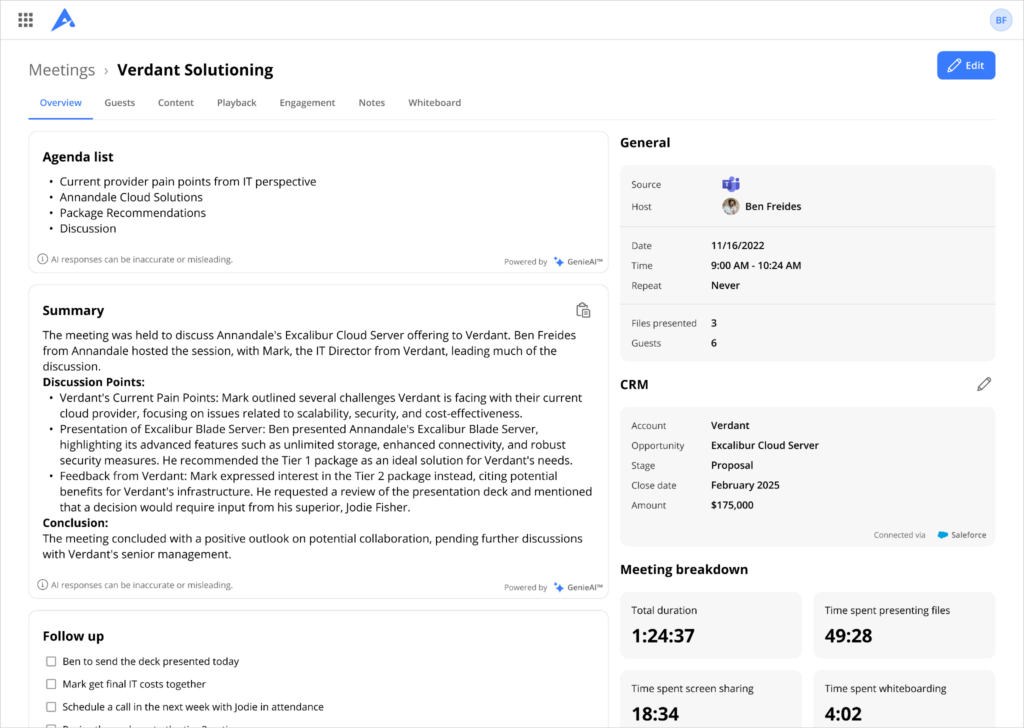
This provides managers with focused coaching direction without requiring extensive manual review. It also gives new hires quicker feedback cycles — they learn what’s effective and what isn’t after each call, not just during periodic reviews.
AI-powered coaching and practice
Conventional roleplay demands coordinating time with managers or colleagues. AI roleplay and coaching tools enable reps to rehearse pitches, objection responses, and discovery conversations whenever needed — with immediate feedback.
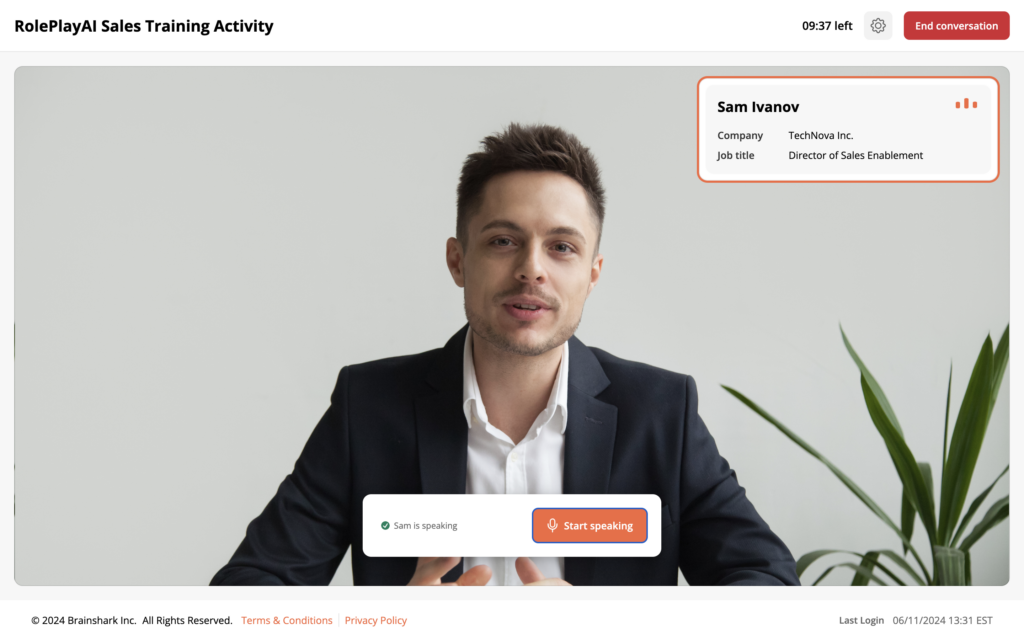
Reps record themselves presenting or responding to a scenario. AI evaluates their performance on factors like:
- Confidence and energy
- Message accuracy
- Pace and clarity
- Coverage of essential points
- Handling of objections
This establishes a scalable practice environment where reps can develop competency through repetition without drawing on manager time.
Adaptive learning paths
Not every new hire begins at the same starting point. Some arrive with solid product understanding but underdeveloped negotiation skills. Others need comprehensive training across multiple areas.
AI can evaluate a new hire’s existing competencies through initial assessments and automatically tailor their learning curriculum. This ensures reps invest time building skills they genuinely need rather than reviewing material they’ve already internalized.
Predictive readiness indicators
Sophisticated enablement platforms apply AI to forecast when a rep is prepared for customer interactions. By integrating data from:
- Training completion rates
- Assessment results
- Practice scenario performance
- Simulated conversation quality
…the system can signal whether a rep has achieved competency milestones or requires additional development before engaging customers. This eliminates guesswork from the ramp process and reduces the likelihood of placing underprepared reps in front of buyers.
AI-assisted content discovery
When reps need information during a live conversation, AI-powered search delivers relevant content immediately. Rather than searching through folders or messaging teammates, reps receive answers drawn from approved, compliant company materials.
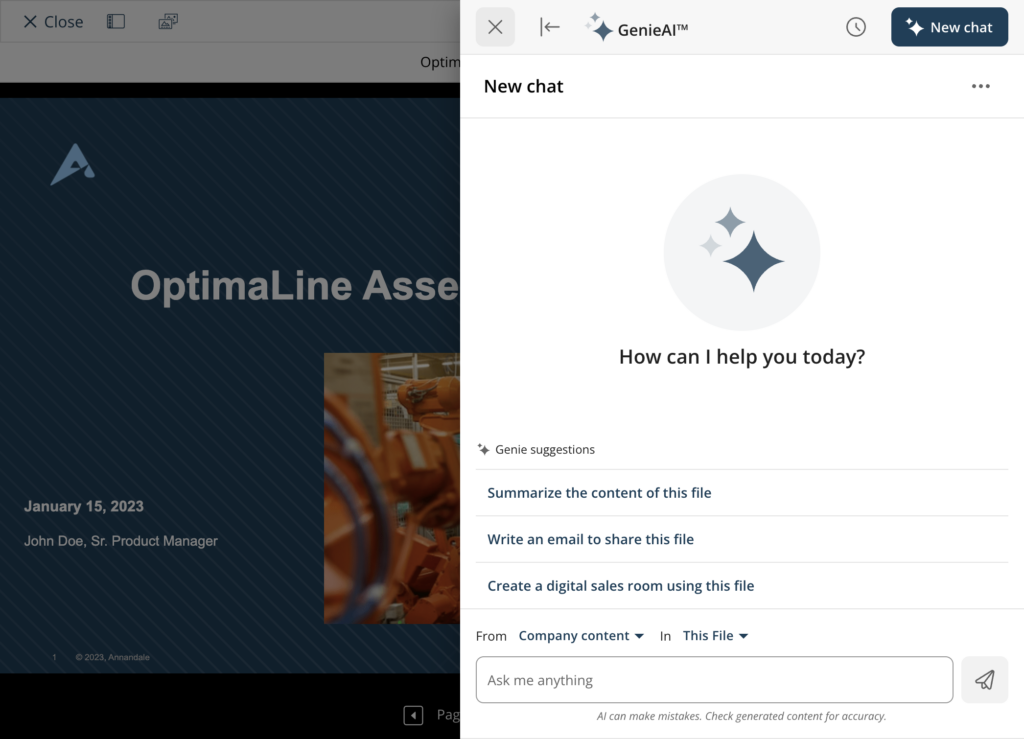
This reinforces competency by ensuring reps consistently access accurate information — strengthening their knowledge rather than requiring them to improvise.
Tools for measuring and improving time to competency
Effectively measuring time to competency in sales onboarding — and enhancing it over time — demands appropriate enablement tools. Here are the essential capabilities to consider:
Sales rep scorecards
Scorecards deliver a comprehensive view of individual rep development by integrating data from:
- Training courses and curriculum completion
- Coaching exercises and practice scores
- Conversation intelligence metrics
- Certification status
- CRM performance data
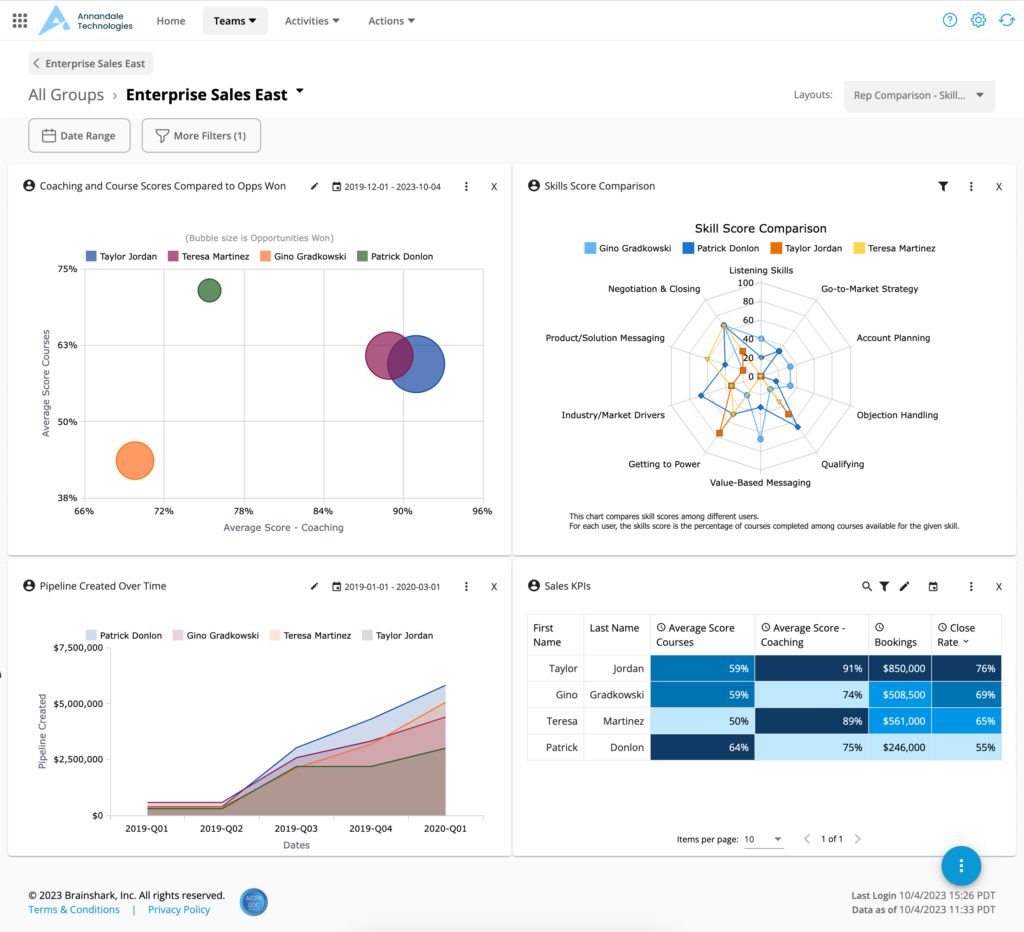
Scorecards help pinpoint reps experiencing difficulty with particular competencies and simplify collaboration with managers on targeted development. They shift the discussion beyond “did they reach quota?” to “are they building the skills to maintain performance?”
Coaching platforms
Sales coaching tools help you draw on high performers and sales leaders to transfer their expertise. Effective coaching platforms feature:
- Structured frameworks for call review
- Scenario-based practice with evaluation
- Peer and manager feedback processes
- Tracking of coaching frequency and results
When managers have clear coaching tools, they’re more likely to deliver consistent feedback — and new hires progress faster as a result.
Certifications
Formal certification programs validate that sellers have achieved functional competency in specific skill areas. They also function as career development mechanisms that:
- Reflect organizational investment in employee advancement
- Create distinct milestones throughout the onboarding journey
- Provide external recognition reps can reference throughout their career
- Signal preparedness for customer-facing responsibilities
Certifications prove most effective when connected to specific competency domains and requiring demonstrated skill application (not merely course completion).
Courses and curriculums
Custom courses and curriculums ensure reps work toward the specific competencies your organization requires. Rather than generic sales training, develop content reflecting:
- Your products and positioning
- Your sales methodology and processes
- Typical objections and competitive scenarios
- Industry-specific knowledge buyers anticipate
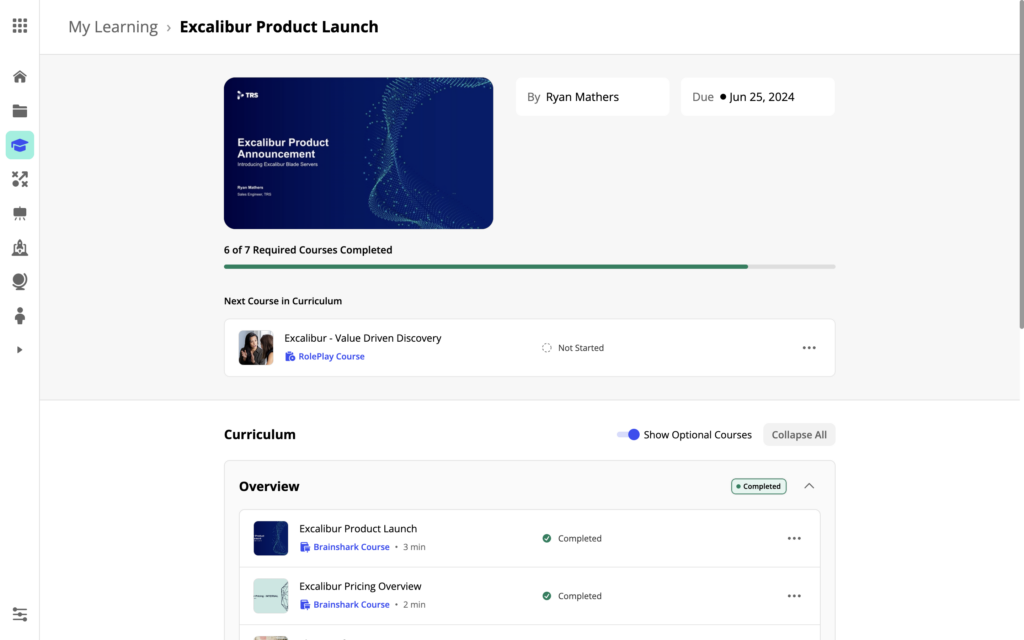
“Courses completed” then serves as a concrete onboarding metric factoring into time to competency evaluations.
Gamification and quizzes
Strategic gamification can reinforce learning and encourage completion. Elements such as:
- Achievement badges for milestones
- Leaderboards for certification progress
- Tiered advancement through training modules
- Team challenges around knowledge assessments
…can boost engagement with training programs, particularly when connected to clear competency outcomes.
Customer feedback
Don’t overlook your most valuable information source: customers themselves. Positive remarks about the sales experience signal competency. Complaints or friction reveal gaps.
If you aren’t systematically gathering and analyzing customer feedback about sales interactions, you’re missing a genuine and accessible gauge of rep competency.
Best practices for reducing time to competency
Drawing from what high-performing organizations do differently, here are proven approaches for accelerating time to competency in sales onboarding:
1. Define competencies before you begin measuring
You cannot track time to competency without agreement on what “competent” means. Document the specific skills, knowledge areas, and behaviors required for each role — then secure alignment from sales leadership.
2. Align your onboarding timeline to your sales cycle
If your typical deal requires three months to close, your onboarding program should prepare reps for a complete cycle experience. Rushing reps into customer conversations before they understand the full buyer journey positions them to struggle later.
3. Prioritize foundational knowledge early
Product understanding, messaging frameworks, and competitive positioning should be addressed first. Reps need this foundation to contextualize everything that follows — from discovery methods to objection response.
4. Incorporate roleplay and scenario practice regularly
Reading about sales skills differs from applying them. Embed consistent practice into your onboarding through scored roleplays, live simulations, and AI-powered coaching scenarios.
5. Apply AI to extend coaching capacity
Manager time is constrained. Employ conversation intelligence and AI coaching tools to deliver feedback at scale — preserving manager attention for high-value coaching moments.
6. Continue beyond day 90
Everboarding sustains competency over time. Integrate microlearning, refresher certifications, and ongoing practice into the sales organization’s regular rhythm — not only the initial three months.
7. Monitor leading and lagging indicators together
Measure competency milestones (leading) alongside revenue results (lagging). This enables you to verify that your competency criteria actually forecast performance.
8. Use scorecards to identify struggling reps early
Don’t wait for missed quota to discover someone never finished training or failed key assessments. Scorecards provide visibility into development gaps before they become performance issues.
9. Gather feedback and iterate
Ask reps what proved helpful and what didn’t. Track which cohorts ramp more quickly and investigate the reasons. Time to competency frameworks improve through continuous refinement, not one-time design.
Frequently asked questions
What is time to competency in sales onboarding?
Time to competency in sales onboarding is a metric that tracks how long it takes a new hire to develop the skills, knowledge, and process understanding required to perform their role effectively. It emphasizes skill development rather than output metrics like quota achievement or deals closed.
How does time to competency differ from time to quota?
Time to quota tracks how long it takes a new rep to reach their sales target. Time to competency tracks how long it takes them to develop the underlying skills. A rep might achieve quota through luck, favorable territory, or inherited pipeline without genuinely being competent — which frequently leads to inconsistent performance later. Time to competency offers a stronger prediction of sustained success.
What represents a reasonable benchmark for sales ramp time?
Industry benchmarks vary based on product complexity and sales cycle duration. Most B2B organizations target 3-4 months for full ramp, with high performers achieving 2-2.5 months. Complex enterprise sales environments may require 6-12 months. The key is synchronizing your ramp timeline with your typical sales cycle.
How do you measure time to competency?
Measure time to competency by:
- Establishing the core competencies for each sales role
- Setting proficiency tiers (familiar, proficient, mastered)
- Aligning competencies to onboarding stages
- Building assessments and certifications to confirm skill levels
- Monitoring progress through training completion, practice scores, and manager evaluations
- Applying conversation intelligence to verify real-world application
What sales competencies should you measure?
Common sales competencies include: product knowledge, discovery and qualification, objection response, negotiation, written and verbal communication, active listening, CRM proficiency, and competitive positioning. The particular competencies depend on your sales approach, product complexity, and buyer expectations.
How does AI help reduce time to competency in sales onboarding?
AI accelerates time to competency through several mechanisms:
- Conversation intelligence examines calls to surface skill gaps automatically
- AI coaching enables reps to practice scenarios with immediate feedback
- Adaptive learning paths customize training to individual needs
- Predictive readiness indicators signal when reps are prepared for customer interactions
- AI search helps reps locate accurate information instantly during live conversations
What is everboarding?
Everboarding is the practice of continuous development after initial onboarding concludes. It ensures reps remain current on product changes, market shifts, and evolving sales approaches — maintaining and strengthening competency over time rather than allowing skills to deteriorate after day 90.
Why does emphasizing competency reduce sales turnover?
When organizations invest in developing employee skills, they demonstrate that reps matter beyond their immediate quota contribution. Career development consistently ranks among the leading factors shaping retention. Reps who feel capable and supported remain longer. Reps who feel underprepared and overwhelmed depart.
What tools do you need to measure time to competency?
Effective time to competency measurement typically requires:
- A sales enablement platform with training, content, and analytics capabilities
- Coaching tools for practice and manager feedback
- Conversation intelligence for call analysis
- CRM integration to connect training data with performance results
- Certification and assessment functionality
Can small sales teams benefit from tracking time to competency?
Yes. Smaller teams frequently see faster impact because changes reach everyone quickly. A small team with defined competencies, structured training, and clear milestones will outperform a larger team where every rep onboards differently. Time to competency doesn’t demand a massive investment — it requires intention and consistency.
Next steps
Improving time to competency in sales onboarding extends beyond accelerating new hire readiness — it’s a demonstrated method for reducing turnover, increasing quota achievement, and building a more capable sales organization.
The conclusion is direct: if you focus on building sales skills and tracking competency rather than merely activity, the results follow. And your strongest performers stay. They may even recommend their colleagues.
Ready to accelerate time to competency at your organization?
- Take a product tour to see how Bigtincan’s sales readiness and coaching tools help you measure and improve competency at scale
- Download our sales onboarding checklist for a week-by-week guide to building a competency-based program
- Talk to an expert about how AI-powered enablement can reduce your ramp time
Summary: key takeaways
- Time to competency in sales onboarding tracks skill mastery, not just activity — making it a stronger predictor of sustained success than time to quota or time to first deal
- Define competencies first — you cannot measure time to competency without agreement on what “competent” means at your organization
- Align competencies to onboarding stages — from pre-arrival through everboarding, each phase should include clear skill milestones
- Apply sales enablement tools — scorecards, conversation intelligence, coaching platforms, and certifications help you track and accelerate competency development
- Competency emphasis improves retention — investing in employee development reduces turnover, particularly in high-attrition sales environments
- AI accelerates the process — conversation intelligence and AI coaching surface skill gaps faster and extend training without overwhelming managers
- High performers invest 30+ hours in structured training during the first 90 days vs. 15-20 hours at typical organizations
- Everboarding matters — competency isn’t a one-time achievement; it requires continuous reinforcement as products and markets evolve